

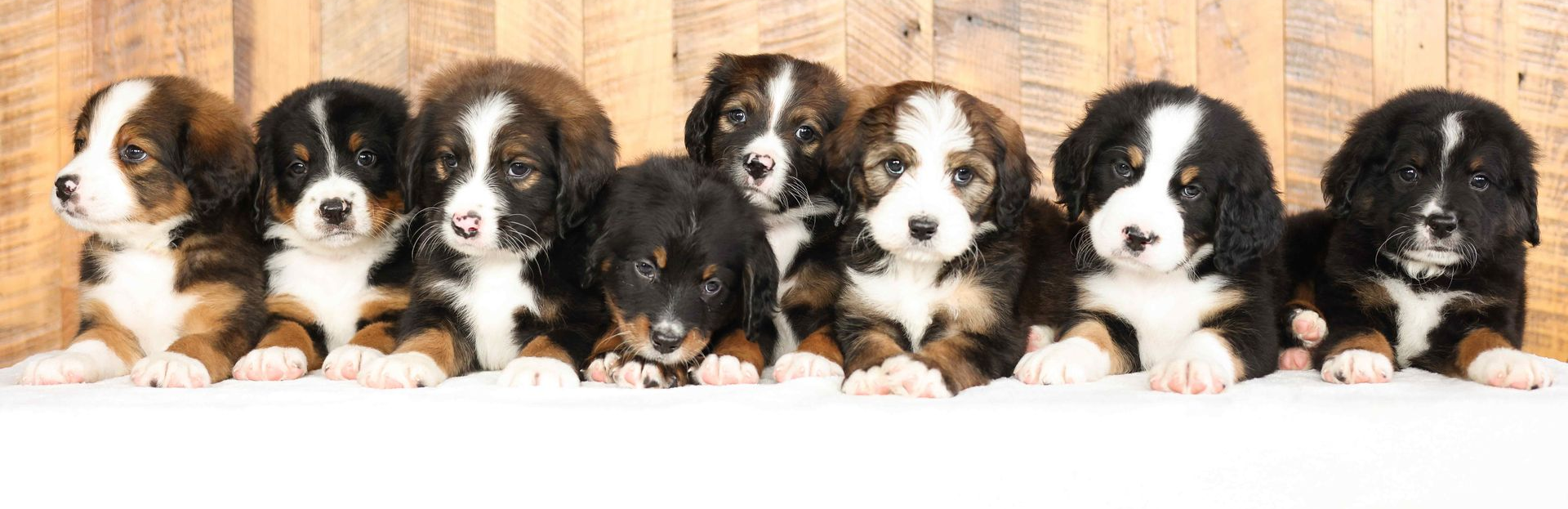
Temperament Evaluation
A Deliberate Approach to Matching the Right Puppy to the Right Home
At Kimberlee’s Kennels, temperament is not left to chance. Each litter undergoes structured evaluation using the Volhard Puppy Aptitude Test, conducted at approximately six weeks of age.
This assessment provides a measured insight into each puppy’s natural instincts, behavioral tendencies, and responsiveness to human interaction. While no single evaluation can define a puppy's future, it offers valuable guidance in understanding how a puppy is likely to engage with the world.
Our objective is not simply to evaluate puppies, but to be able to better place our puppies with intention.
___ ___ ___ ___ ___
The Purpose of Temperament Testing
The Volhard assessment is a ten-step evaluation designed to observe:
- Social attraction and human focus
- Confidence and environmental stability
- Willingness to follow guidance
- Sensitivity to handling and stimulus
- Natural working aptitude
From this, we gain a clear snapshot of each puppy’s:
- Intelligence and problem-solving ability
- Energy level and drive
- Emotional resilience
- Compatibility with various lifestyles
For most companion homes, puppies that fall within moderate scoring ranges tend to integrate seamlessly into family life. Puppies demonstrating stronger drive or independence may be better suited for experienced handlers or more structured environments.
___ ___ ___ ___ ___
Precision, Not Prediction
Temperament testing is conducted under carefully controlled conditions to reduce variables such as fatigue, hunger, or overstimulation. However, it is important to recognize that results represent a moment in time—not a fixed outcome.
True temperament is shaped through:
- Ongoing training
- Environment
- Leadership and consistency within the home
For this reason, we position testing as a guiding tool, not a label. It informs both our recommendations and your preparation.

A Guided Selection Process
Our placement process is highly collaborative and rooted in honest communication.
We take the time to understand:
- Your lifestyle and household dynamic
- Your expectations for companionship, activity, and training
- Your prior experience with dogs
From there, we can guide you toward a puppy whose natural tendencies align with your environment and goals.
If at any point we feel a selected puppy may not be the ideal match, we will communicate that clearly and respectfully. This level of transparency is essential to maintaining the long-term success of both our puppies and our families.
___ ___ ___ ___ ___
Early Observation Plus Ongoing Insight
Formal testing at six weeks is only one component of our evaluation process.
From birth onward, each puppy is:
- Observed daily
- Handled extensively
- Monitored for early behavioral indicators
This continuous familiarity allows us to identify subtle traits that may not appear during a single structured test.
In rare cases where concerns arise, they are typically recognized early and addressed with full transparency. More often, our early development program produces puppies that demonstrate strong, balanced temperaments across the board.
___ ___ ___ ___ ___
The Role of Ownership
A well-bred, well-developed puppy is only the beginning.
The long-term outcome of your puppy is directly influenced by the time, structure, and consistency you provide. We strongly encourage all families to pursue formal obedience training and to begin establishing leadership from the moment your puppy arrives home.
With proper guidance, puppies are capable of learning foundational commands—such as recall, sit, and place—within the first weeks of transition.
Your investment should extend beyond acquisition to include:
- Time
- Training
- Consistency
This is what ultimately defines a truly exceptional companion.
___ ___ ___ ___ ___
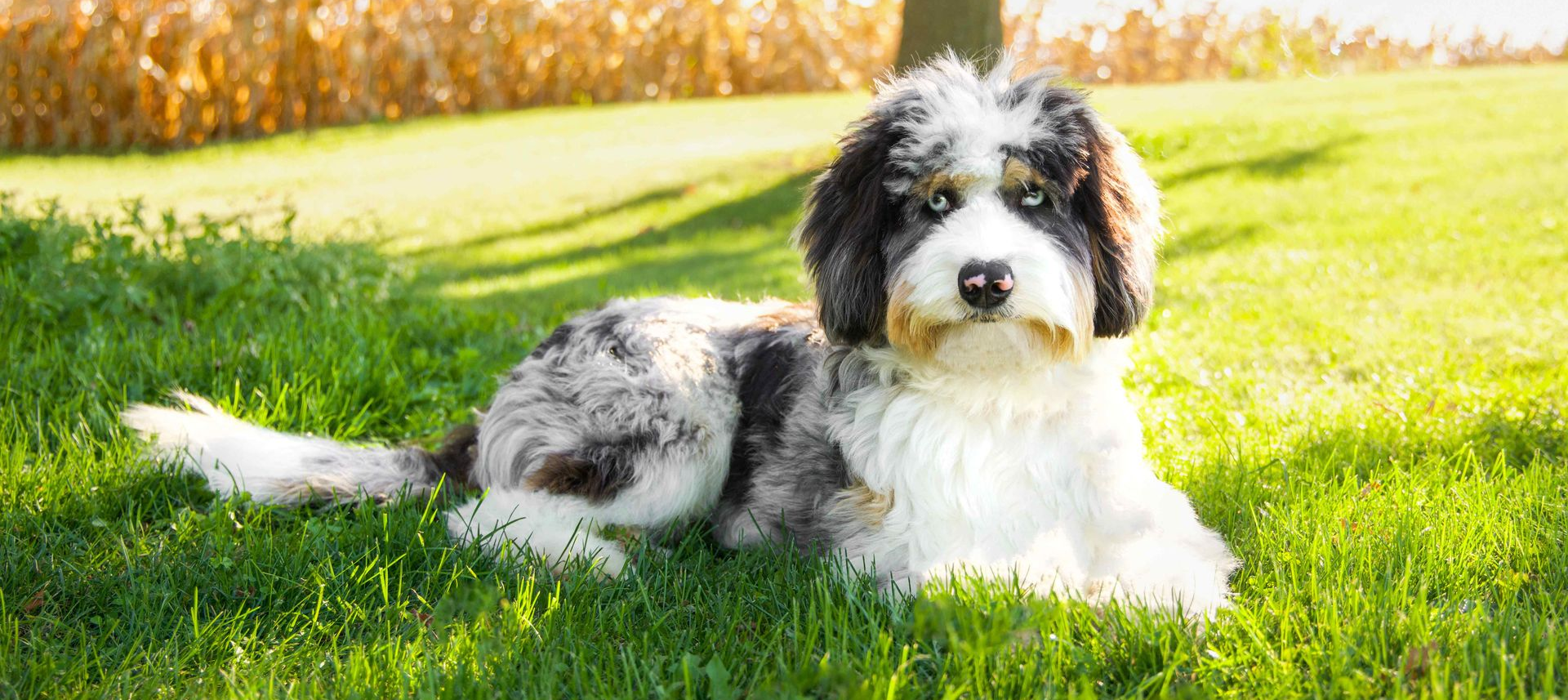
Early Guidance for a Successful Transition
The first weeks in a new home are foundational. During this period, we recommend a calm, structured environment that prioritizes rest, routine, and trust-building.
Puppies require significant sleep and should not be overstimulated with excessive activity or constant exposure to new environments. A quiet, secure resting space—similar to a den—helps establish a sense of safety and stability. This is most important!
___ ___ ___ ___ ___
Mouthing & Early Behavior
It is natural for puppies to explore the world through their mouths, particularly during teething and early development. In family settings, puppies may initially interact with children as they would littermates.
This behavior should be calmly redirected, not encouraged.
We recommend:
- Providing appropriate chew outlets (ropes, durable toys, etc.)
- Maintaining clear, consistent boundaries
- Supervising all interactions between puppies and young children
Children should be guided to interact respectfully and avoid behaviors that may create confusion or competition. Structured routines—such as supervised feeding—can help reinforce appropriate dynamics within the home.
___ ___ ___ ___ ___
A Final Note
A well-developed puppy, thoughtfully placed and properly trained, becomes more than a companion—they becomes another member of your family.
We fulfill our role with honesty and our professional guidance.
We expect the same in return.